Real-World SEO - What I Learned Optimizing a Community Website
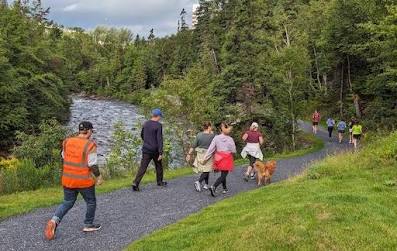
Optimizing for the Community
During a recent work term, I had the opportunity to build a brand new website for the Corner Brook Running Club (CBRC). While my initial focus was purely development focused, ensuring the site had a clean layout, accessible navigation, and responsive design for mobile users. I quickly realized that a great website is useless if the community can’t find it.
To bridge the gap between code and community visibility, I integrated RankMath SEO.
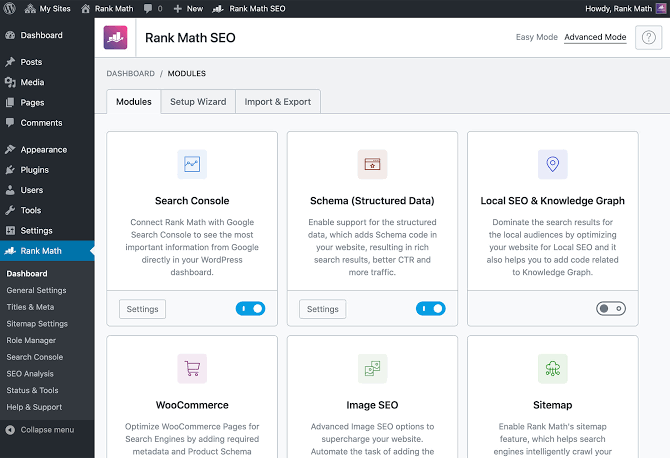 Configuring RankMath modules.
Optimizing a local sports club site completely changed how I look at search engines. It moved SEO from a vague marketing concept I’d never heard of to a highly structured, rewarding system. Here is what I learned about SEO, structured data, and handing a project over to non-technical users.
Local SEO is very useful
When you write a technical article, you are competing on a global stage. But for a regional running club in Western Newfoundland, the strategy completely shifts toward Local SEO.
RankMath includes dedicated Local SEO modules that allow you to register organizational data explicitly for search engines. I learned to configure the club’s metadata so that when someone searches “running clubs near me” or “races in corner brook,” search engines confidently serve up our site. Proximity and localized search intent are incredibly powerful factors.
Schema Markup: Using Google’s language
One of my favorite technical takeaways was implementing Schema Markup (Structured Data). When the club hosts an event; like an annual 5K, 10K, or a trail race, you don’t want search engine crawlers guessing the details.
Using RankMath, I could apply “Event Schema” to race registration pages. This structured JSON-LD code tells search engines exactly what the page represents: an event with a specific date, time, ticket price, and physical location.
Correct schema markup allows search engines to display events directly in rich search results, making it significantly easier for local athletes to find and register on time.
The Content Strategy
Before using RankMath’s real-time content analysis, I assumed writing an update for a club was just about getting the facts down. The tool’s content scoring system forced me to think more strategically:
- Descriptive Headings: Breaking down race preparation, route maps, and volunteer info into clean
H2andH3elements. - Image Optimization: Ensuring race route graphics and community photos had descriptive
alttags so they could rank in image searches. - Focus Keywords: Moving away from generic titles like “Next Race Info” and anchoring posts with phrases local athletes actually search for, like “Corner Brook Autumn 10K Registration.”
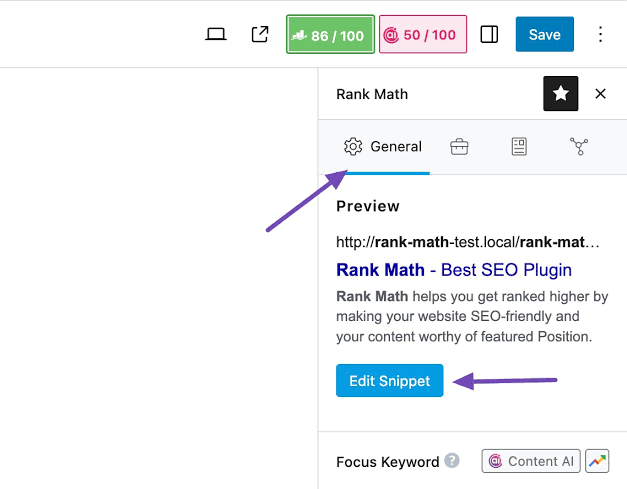 The visual snippet editor and live score trackers inside RankMath
Designing for the Handoff
Since this was a work term project, a massive priority was sustainability. I wouldn’t be around for long to manage the site, meaning the backend had to be accessible to club volunteers who aren’t web developers. This was why Wordpress was chosen in the first place.
This is where choosing a user-friendly tool paid off. Because RankMath uses a clear, visual scoring checklist (0 to 100), I was able to build a straightforward handoff guide. Now, when a volunteer uploads a new race announcement or results entry, they have a real-time interactive assistant guiding them to keep the site’s SEO healthy.
Final Thoughts
Building the site for the Corner Brook Running Club taught me that web development doesn’t end when the site compiles without errors. A project is truly successful when it achieves its real-world goals. Using tools like RankMath allowed me to give the club an optimized framework that will continue to connect with new runners long after my work term wraps up.
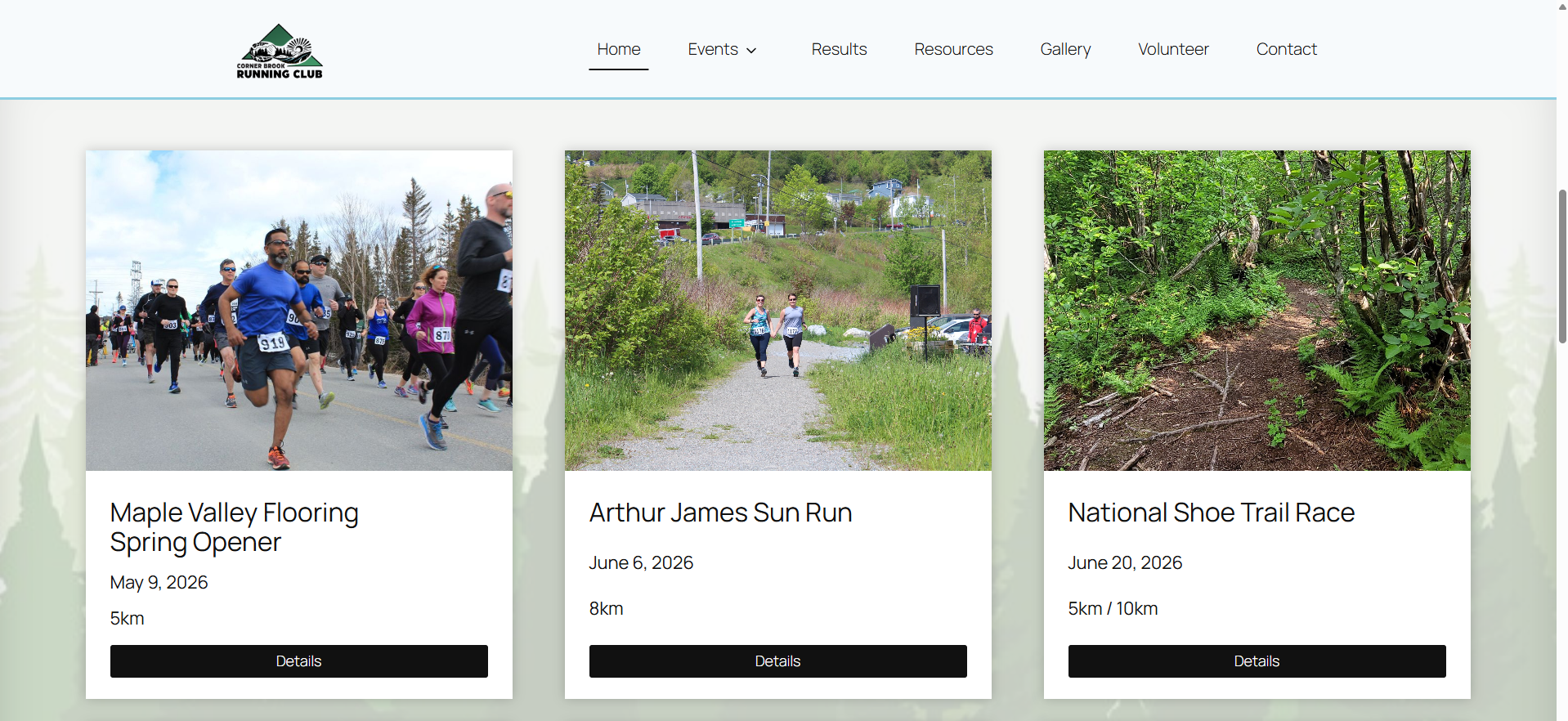 Our finished website!
Overall I am very proud with how the website turned out. I cannot wait to see it in action and hear what the community thinks. If you want to check out the site for yourself you can view it here